
Verdict
War Thunder remains one of the richest combat sandboxes on PC, but its ambition is constantly undercut by an economy that keeps asking players to pay their way out of friction it created.
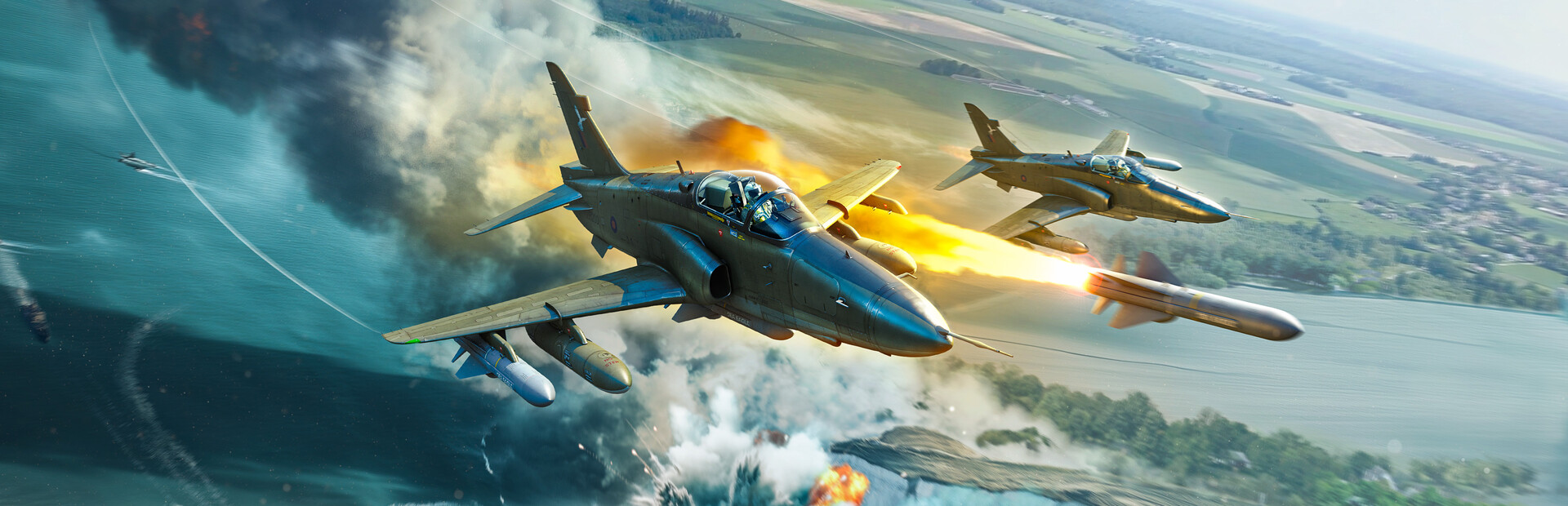
War Thunder has been running since 2012, which in live-service years makes it practically ancient — and it still gets treated by a chunk of its audience like a live experiment Gaijin is running on them in real time. That tension is the whole story of this game. Underneath it is one of the most structurally ambitious combat sandboxes ever shipped: tanks, planes, helicopters and warships from a long list of nations, sharing one combined-arms battlefield, adjustable across three very different difficulty philosophies. On top of it sits a free-to-play economy that has, more than once, made large parts of that same audience furious enough to organize. Reviewing War Thunder honestly means holding both of those truths at once.
The Essential
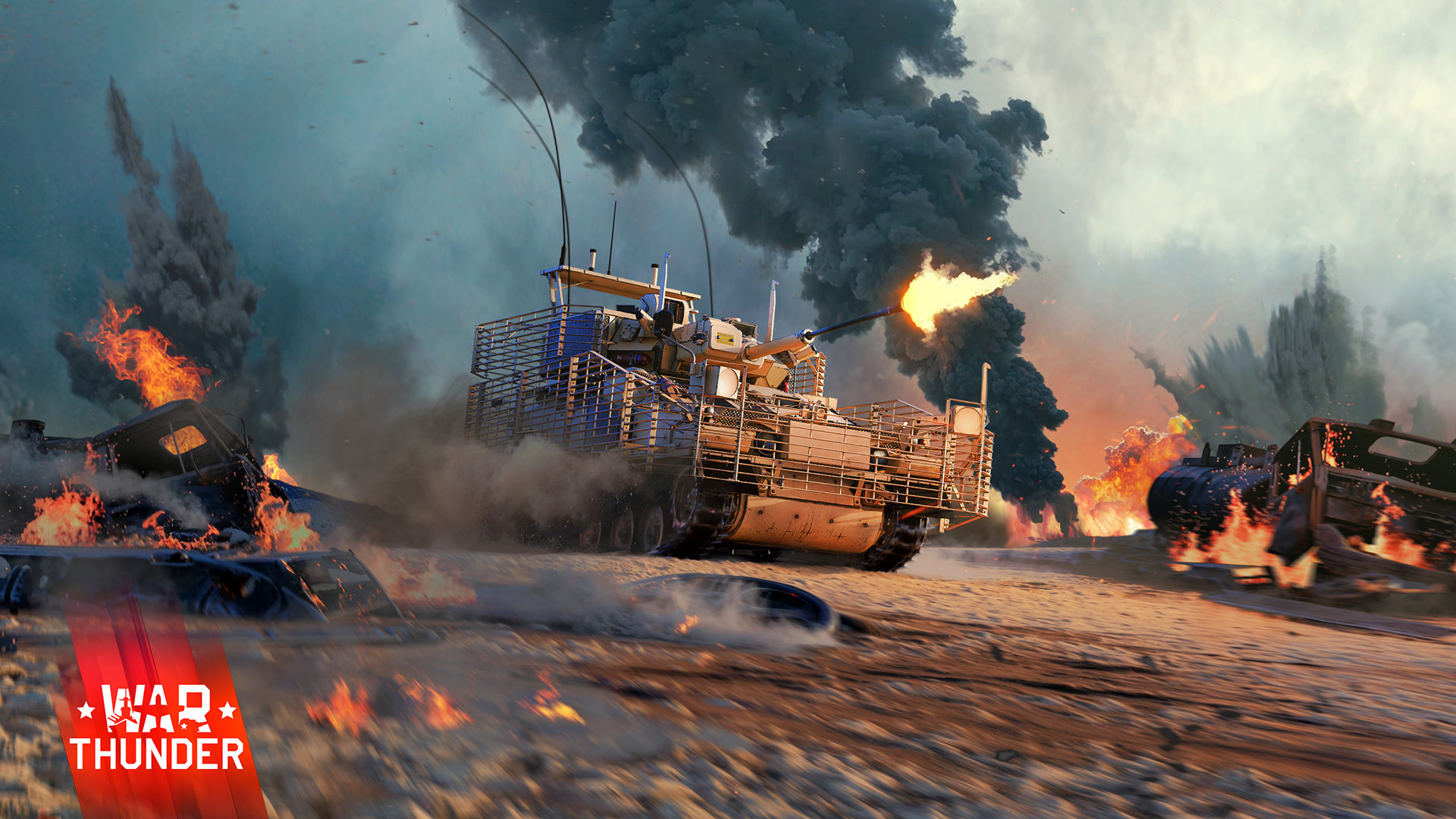
Strip away the marketing and War Thunder is a vehicle-combat game built around three parallel research trees — Ground Forces, Aviation, and Naval Forces — spread across national factions that each unlock progressively more advanced hardware. Matches mix branches together: a tank push can be broken up by close air support, a coastal map can turn into a three-way fight between ships, aircraft and shore batteries. That combined-arms layer is what separates it from single-branch competitors; nothing else on the market lets you queue into a match not knowing whether the thing that kills you will be a tank shell, a bomb, or a torpedo.
Difficulty is handled through three selectable modes rather than one fixed ruleset. Arcade Battles simplify aiming, damage and crew mechanics for quick, accessible matches. Realistic Battles strip out most of the assists and add stamina, ballistics and communication limits closer to what a "sim" audience wants without the full commitment. Simulator Battles go further still, with cockpit-only views, manual engine management and a much steeper skill floor. This isn't a single game wearing a difficulty slider — it's genuinely three different pacing experiences layered on the same content, which is part of why the game has held a dedicated base for so long.
The Experience
Where War Thunder earns its reputation is in the texture of a good match. Tank engagements reward reading armor angles and ammunition types rather than just aim speed; air combat swings between energy management in Realistic mode and pure furball chaos in Arcade; naval battles, still the youngest branch, add a slower, more positional rhythm to the mix. When a match clicks — when a flanking push syncs with an air strike, or a well-timed shot finds the one weak spot on an angled hull — it delivers a kind of tactical satisfaction that few other vehicle games manage, because the systems underneath are genuinely simulating something rather than abstracting it away.
The rough edges show up around that core loop rather than inside it. Menus, progression screens and the sheer density of stats, modules and research trees can be overwhelming for a newcomer, and the game leans on the player to already understand terms like "battle rating" or "spaded" before it explains them well. None of this breaks the experience for someone willing to invest the time, but it does mean the first several hours feel more like onboarding into a hobby than starting a game.
 Free on PCArena Breakout: InfiniteThe most approachable extraction shooter on PC.Play free
The Limits
The part of War Thunder that generates the most conversation isn't a mechanic, it's the economy around it. Repair costs after a loss, research costs to unlock new vehicles, and the rate at which Silver Lions and Research Points trickle in in a battle create a persistent squeeze that a premium account and premium vehicles are the most direct way to relieve. Gaijin has adjusted these numbers repeatedly over the years, and not always toward the player: in 2023 a set of economy changes that effectively increased the grind was met with a coordinated Steam review-bombing campaign that pushed recent reviews deep into negative territory, forcing the studio to walk part of it back and publish a public apology. That episode wasn't an isolated flare-up — it's the clearest recent example of a recurring pattern the community points to whenever monetization tweaks land, and it has left a real trust deficit that colors how any new change gets received.
Matchmaking has its own long-running complaint: battle-rating compression, where vehicles separated by real technological generations end up sharing a match because the ratings squeeze too many capability tiers into too narrow a band. It doesn't ruin every game, but it's frequent enough that "the matchmaking screwed me" is a normal sentence in the community rather than a rare one. None of this makes War Thunder pay-to-win in the sense of buying stats no one else can reach — but it is unmistakably pay-to-progress-comfortably, and pretending otherwise would be dishonest.
Who Should Play This
If you already like military history, care about the difference between a Panther's glacis plate and a Tiger's, or want a flight model that rewards understanding energy retention rather than just holding the throttle down, War Thunder offers more depth per hour than almost anything else free on Steam. Simulator-mode veterans and dedicated tank or plane enthusiasts will find years of content here. If you're looking for a quick, low-friction shooter to dip into for twenty minutes between other things, the onboarding curve and the economy's constant low hum of pressure will likely wear you down before the depth has a chance to win you over.
Verdict
War Thunder is a genuinely rare thing: a free game with the scope and systemic depth of a full-priced simulator, still receiving meaningful content over a decade in. That's not nothing, and it's why the game still pulls in dedicated players who've stuck around through every economy controversy. But depth doesn't cancel out friction, and the repair costs, the research pacing and the recurring monetization flashpoints are real enough that they shape how the game feels to play, not just how it feels to read about on a forum. It earns a 7.0/10 — a strong, substantial sim dragged down half a point by an economy that too often feels adversarial rather than supportive of the game it's funding.
If the verdict pushed you toward trying it, start with our tech tree guide — committing to one nation early is what separates the players who stay from the ones who quit at rank III. Before your first serious session, it's also worth tuning the graphics settings, because the default preset costs frames you'll want back.
Pros
- Unmatched breadth: tanks, planes and ships from dozens of nations in one persistent world
- Three difficulty tiers (Arcade, Realistic, Simulator) genuinely change how the game plays
- Combined-arms battles create real tactical texture between armor, CAS and infantry-support
- Free to start, with over a decade of continuous content updates
Cons
- Repair costs and research rates make premium purchases feel less optional than advertised
- A history of economy changes and review-bomb backlash has left real trust issues with the playerbase
- Matchmaking's battle-rating compression regularly mixes lopsided vehicle generations