

Every FPS guide tells you the same thing: buy a good headset, hear footsteps first, win the gunfight. In Tarkov or CS2, that's true. In Enlisted, it's more complicated, and being straight about that is the whole point of this guide.
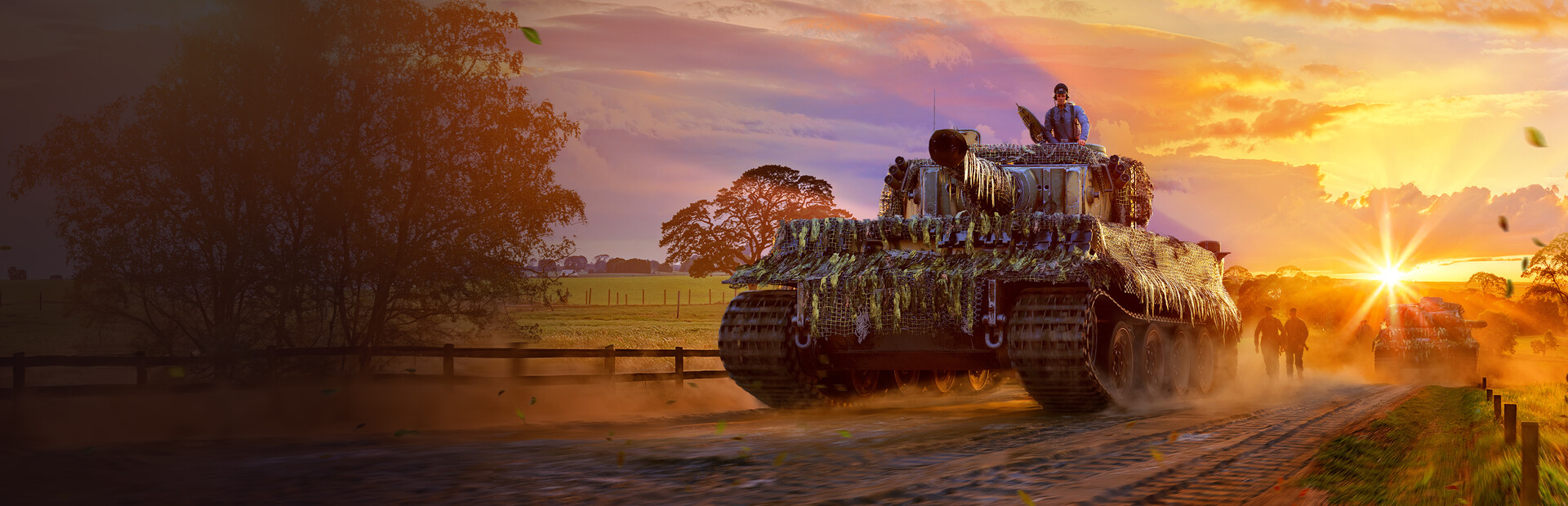
Enlisted is a WWII squad shooter where you're rarely alone. You're pushing a trench with three AI-controlled squadmates, a tank might be rolling up behind a building, and someone's artillery request is about to land on your position in ten seconds. The audio information that decides those moments isn't subtle footfall on gravel — it's engine notes, gunfire cracks, and whether your own squad can hear you calling the tank out before it hears you.
Footsteps aren't the reason to upgrade
If you're shopping for a headset specifically to "hear footsteps" like you would in a battle royale, know this going in: Enlisted's footstep audio is a long-standing, widely reported weak point. Players have flagged on the official forums that footstep sound is inconsistent or missing across most surface types in the game, and it hasn't been the kind of tight, layered footstep design you get in games built around close-quarters footstep whoring. No headset, however good its driver quality, fixes audio that the game engine isn't rendering consistently in the first place. If footsteps were your only reason to spend $150+, save the money.
What a good headset does buy you in Enlisted:
- Directional gunfire — telling whether you're being shot at from the left flank or straight ahead, which matters constantly in Enlisted's tight village and trench maps.
- Vehicle audio — tank engines, treads, and plane engines have distinct, well-produced sound design, and picking up an approaching engine a second or two early is a real, repeatable advantage.
- Artillery and mortar tells — the whistle before a strike lands is one of the clearest and most useful audio cues in the game, and it's easy to lose in a cheap headset's muddy low end or under game music.
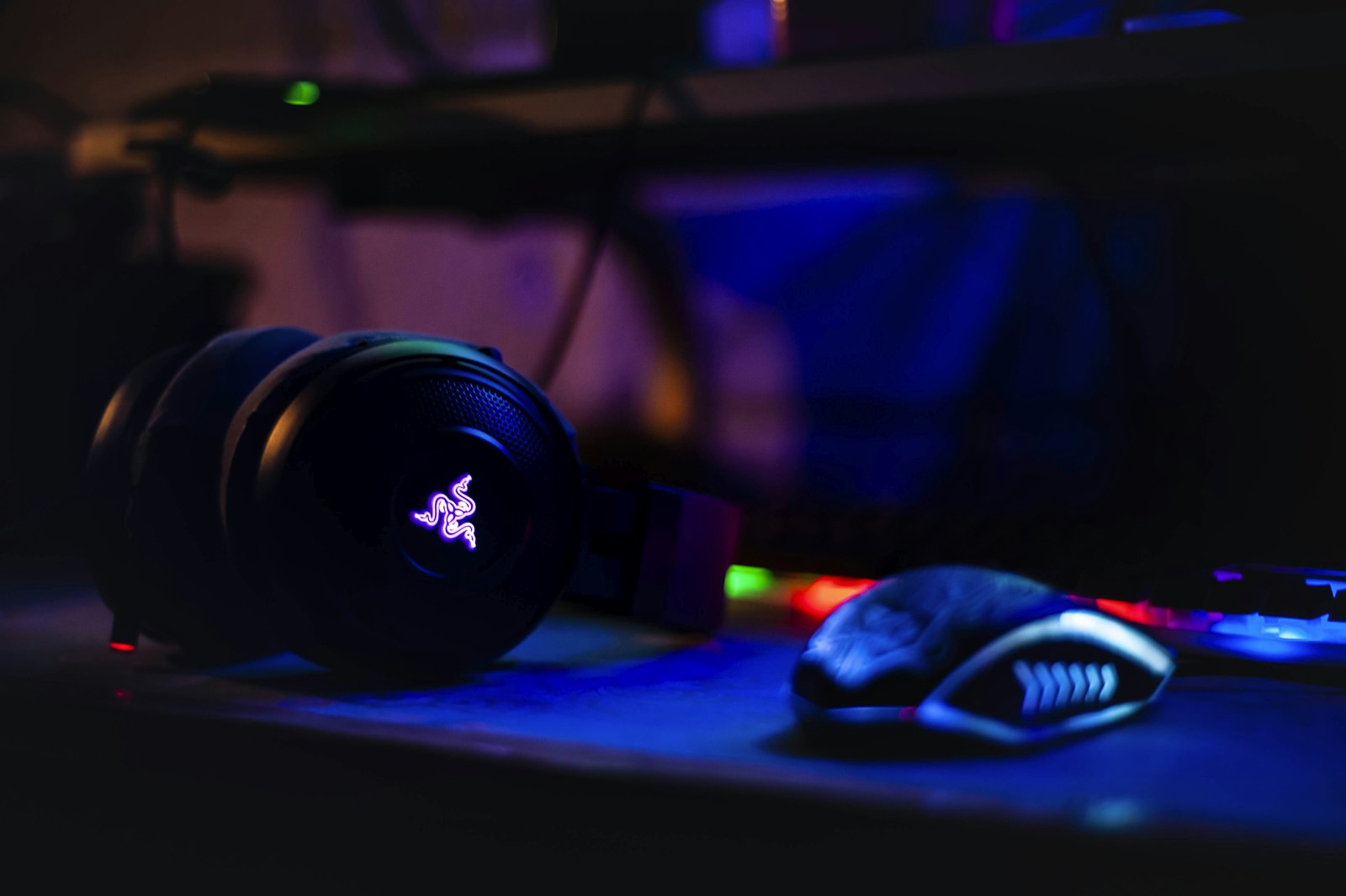
- Squad voice clarity — Enlisted's voice chat works with whoever you're lobbied or squadded with, not a map-wide proximity system. That means your mic and your teammates' mics carry the callouts ("tank, north side," "guy's out of ammo, falling back") that actually organize a push. A headset with a clear mic matters here as much as the driver quality on the ear cups.
So the honest framing: buy for gunfire direction, vehicle awareness, and mic clarity — not footstep hunting.
Open, closed, or "virtual surround"?
Marketing on gaming headsets loves "7.1 virtual surround," and it's worth knowing what that actually does. Virtual surround processes a stereo signal to fake extra channels, and in practice a lot of competitive players find it muddies directional cues rather than sharpening them — it's a feature to try and turn off if it doesn't help, not something to chase on a spec sheet. Plain, well-tuned stereo with accurate imaging tends to serve positional awareness better in squad shooters.
Between open-back and closed-back: open-back headphones generally give a more natural, "in the room" sense of distance and direction, which suits picking out a tank engine from across a map. The tradeoff is that they leak sound and don't block outside noise, so they're a poor fit if you're not gaming with a door closed or don't want housemates hearing every artillery barrage. Closed-back is the safer default for most people, and the gap in practice is smaller than either camp claims — don't let this decision hold up a purchase.
 Free on PCArena Breakout: InfiniteThe most approachable extraction shooter on PC.Play free
The mic matters more than usual here
Because Enlisted's comms are squad/lobby-based rather than open proximity chat, the value of a clean mic is concentrated on the handful of people you're actually playing with. A boom mic with decent noise handling for background chatter (fans, mechanical keyboards, a TV in the next room) will get your callouts understood the first time, which sounds minor until you're the one repeating "TANK, TANK, TANK" over garbled audio while it's already turning its turret toward you.
Headset comparison
| Headset | Price (Aug 2026) | Connection | Strengths | Best for |
|---|---|---|---|---|
| HyperX Cloud III | ~$60–70 street, $99.99 list | Wired (3.5mm/USB-C) | Solid driver clarity, durable frame, reliable mic | Budget-conscious players who don't need wireless |
| SteelSeries Arctis Nova 7 | $179.99 MSRP | 2.4GHz wireless + Bluetooth | Good all-rounder, ClearCast mic, long battery life | Most players who want wireless without a big spend |
| Corsair HS80 Max Wireless | $189.99 MSRP (frequently discounted) | 2.4GHz wireless | Strong low end for engine/artillery cues, comfortable for long sessions | Players who prioritize vehicle and explosion audio |
| Logitech G Pro X 2 Lightspeed | $249.99 MSRP, ~$259–289 street | 2.4GHz wireless | Tightest imaging of this group, esports-grade mic | Players who already play competitive shooters and want one headset for everything |
Prices vary by retailer and change with sales — the figures above reflect listed and street prices at the time of writing, August 2026.
The recommendation
If you're deciding purely around Enlisted, don't overspend chasing footstep detail the game doesn't reliably render. The HyperX Cloud III covers the fundamentals — clear gunfire direction, audible artillery whistles, and a mic good enough for squad callouts — for well under $100, and that's genuinely enough for this game specifically.
Spend more only if you also play footstep-sensitive shooters (Tarkov, CS2, Valorant) where the extra imaging and mic quality of the Arctis Nova 7 or G Pro X 2 pays off across your whole library, not just in Enlisted. If wireless convenience and long sessions matter most to you and you can catch the HS80 Max on a discount, it's a comfortable middle ground. For Enlisted alone, the budget wired option is the one that actually makes sense.
Good audio is only half of it — the other half is knowing what you're listening for. Our Enlisted beginner's guide covers squad composition, campaign order and the early progression traps that cost new players the most time.